
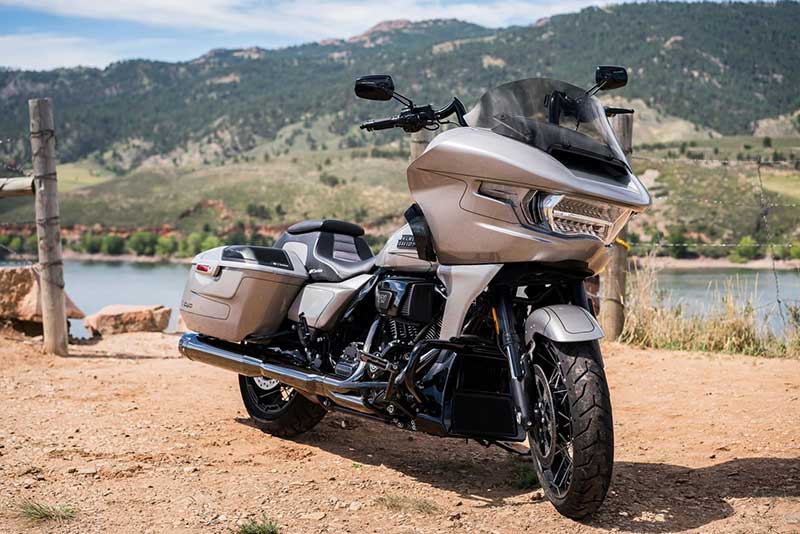
Motorcycling is one of those pursuits where the details matter enormously. The difference between a great ride and a miserable one often comes down to preparation — the right gear, the right route, the right setup on the bike itself. And yet, one of the most impactful components on any motorcycle is also one of the least glamorous: the windshield. Functional, practical, and genuinely life-improving for serious riders, motorcycle windshields deserve a much closer look than they typically get.
The Basic Physics of Why Windshields Matter
Let’s start with the fundamentals. When a motorcycle accelerates down a road, it creates a physical confrontation with air. The faster it moves, the more intense that confrontation becomes. Air resistance increases exponentially with speed — meaning the wind force a rider experiences at 70 mph isn’t just twice what they experience at 35 mph, it’s roughly four times as intense.
For a rider sitting upright on a bike with no protection, that force hits the torso, arms, neck, and head continuously for the entire duration of the ride. The body compensates by tensing muscles, adjusting posture, and working constantly against the pressure. Over time, this creates a physical toll that most riders feel but often attribute to other causes — tiredness, discomfort, soreness after long rides.
Motorcycle windshields address this directly. By intercepting the airflow before it reaches the rider and redirecting it in a controlled manner, a well-designed windshield fundamentally changes the physical experience of riding. The rider’s body relaxes. Muscles that are constantly engaged get a chance to rest. The result isn’t just comfort — it’s a safer, more alert rider who is better equipped to respond to whatever the road presents.
Weather Protection That Goes Beyond Rain
When people think about weather and motorcycling, rain is usually the first concern. And yes, motorcycle windshields do help manage rain — directing water away from the rider’s visor and chest, reducing the spray and splatter that makes wet riding so unpleasant. But the weather benefits extend well beyond rain protection.
Cold air at speed is one of the most underappreciated challenges in motorcycle riding. Wind chill can make a 10-degree day feel genuinely dangerous after extended exposure, reducing dexterity in the hands and slowing reaction times. A windshield that reduces wind chill — even partially — has a direct impact on rider safety in cooler conditions. Riders who extend their season into autumn and winter particularly benefit from this protection.
Heat, ironically, is also a factor. In very hot weather, constant high-speed wind can cause dehydration more quickly than riders expect. While ventilation is important, the kind of controlled airflow that good motorcycle screens provide is preferable to unrestricted blast that dries out skin and eyes and increases physical fatigue.
Then there’s the matter of insects, road debris, and airborne grit — all of which travel at considerable speed when you’re riding at highway pace. A windshield creates a protective zone around the rider that significantly reduces the frequency and impact of these encounters. Even for riders wearing full-face helmets, the reduction in physical impacts on the chest and arms throughout a long ride makes a meaningful difference to overall comfort.
The Safety Argument for Motorcycle Windshields
Safety discussions around motorcycles tend to focus on helmets, protective clothing, and riding technique. These are absolutely the right priorities. But motorcycle windshields contribute to safety in ways that are subtler and often overlooked.
The clearest safety benefit is fatigue reduction. Fatigue is one of the leading contributors to motorcycle accidents. A rider who is physically worn down by wind resistance, cold, and the constant barrage of environmental factors is slower to react, less attentive to hazards, and more prone to poor decision-making. Anything that genuinely reduces fatigue over the course of a long ride is, by extension, a safety feature.
Stability is another consideration. At higher speeds, wind resistance creates forces that can affect how a rider sits on the bike — pushing the torso back, creating resistance on the arms, subtly influencing steering input. A well-fitted windshield stabilises the rider’s position by managing those forces, leading to more consistent and controlled riding.
Visibility is a third, often overlooked factor. Riding without eye protection in a strong wind or light rain requires conscious effort to keep eyes open and focused. Even with proper eyewear, the physical sensation of direct wind on the face can be distracting. Motorcycle screens reduce these distractions, allowing riders to focus more completely on the road.
Matching the Windshield to the Riding Style
Not every motorcycle windshield suits every rider or every context, and making the right choice requires honest reflection on how and where you ride.
Touring riders — those covering long distances on open roads — typically benefit most from taller, broader motorcycle windshields that offer substantial upper-body protection. These setups reduce wind fatigue over extended periods and provide more complete protection from weather variations.
Sport and performance riders tend to prefer lower, more aerodynamically focused screens. The emphasis here is on reducing drag and improving aerodynamic stability at higher speeds, rather than offering comfort protection. The trade-off in wind exposure is accepted as part of the sport-focused riding experience.
Commuters have their own set of requirements. Urban and suburban riding involves lower average speeds, more frequent stops, and a need for clear visibility in all directions. Compact, lightweight motorcycle screens suited to city environments prioritise practicality without adding unnecessary bulk or complexity to the bike.
Adventure and dual-sport riders need flexibility above all else. Their bikes move between tarmac and off-road conditions, often in varied weather, and the windshield needs to accommodate upright riding positions, potential debris impacts, and the kind of rough handling that off-road terrain demands.
Height, Fit, and the Personal Factor
Perhaps the most important thing to understand about motorcycle windshields is that fit is deeply personal. The same screen can work brilliantly for one rider and create uncomfortable buffeting for another, simply because of differences in height, posture, or riding position.
The general principle is that the top edge of the windshield should sit somewhere between chin and nose height when you’re in your normal riding position. This allows clean airflow to pass above the helmet without creating turbulence at eye level. But this is a guideline, not a rule — individual experience varies, and finding the right fit often involves some trial and adjustment.
Many modern motorcycle screens offer adjustable mounting positions precisely because of this individual variation. The ability to shift the screen up, down, or forward by even a few centimetres can make the difference between a setup that works perfectly and one that creates more problems than it solves.
A Component Worth Prioritising
It’s easy to focus motorcycle upgrades on the exciting stuff — engine performance, suspension, aesthetics. But for riders who spend serious time on their bikes, few investments pay off as consistently and reliably as getting the motorcycle windshield right.
Every ride it improves, every hour of fatigue it saves, every cold morning it makes a little more bearable — the cumulative effect over months and years of riding is significant. This is a component that earns its place on the bike quietly, consistently, and without fanfare.
