
Introduction
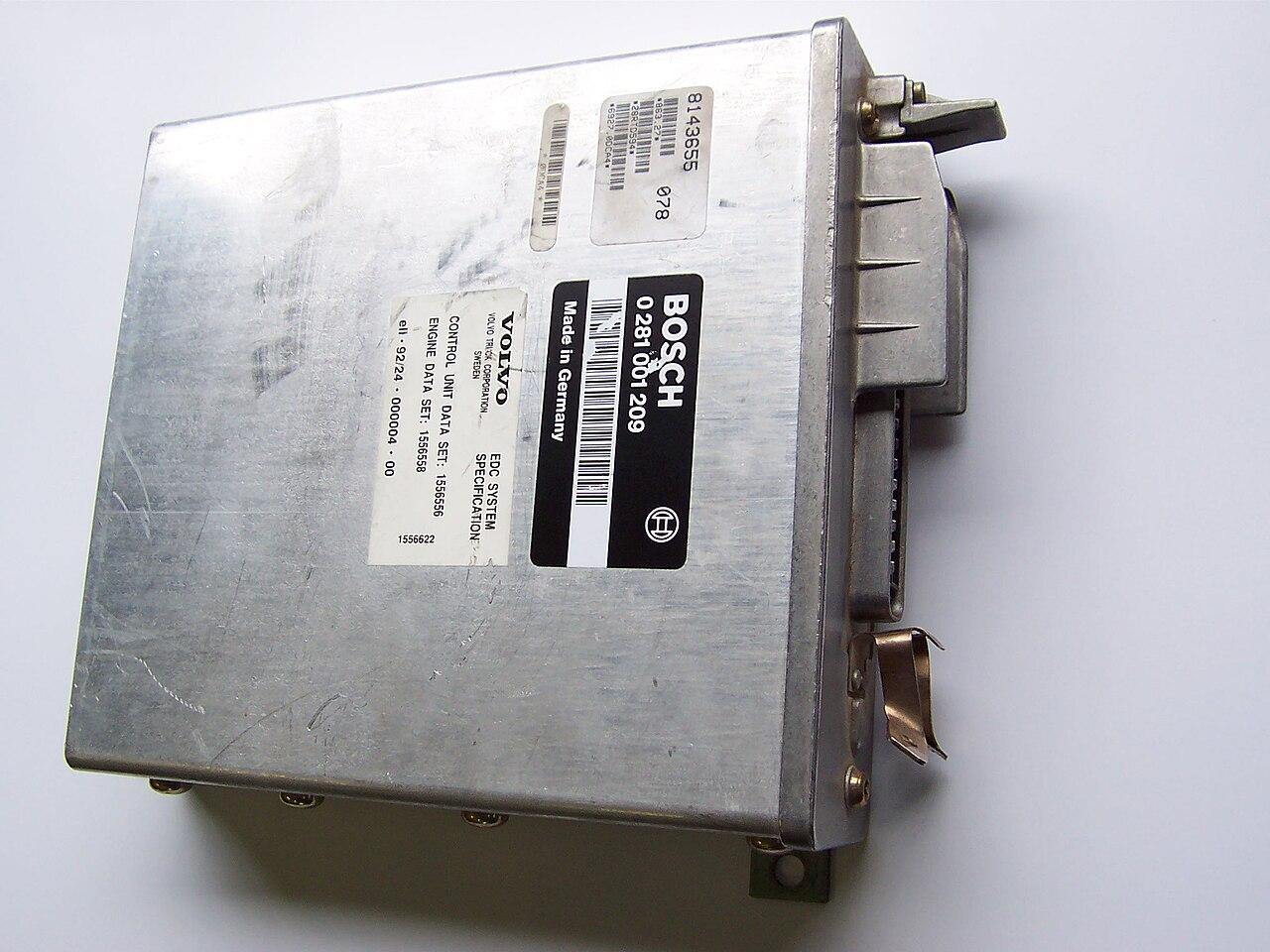
Modern engine repair is no longer only about pistons, pumps, belts, filters, and fluid changes. Those parts still matter, but today’s vehicles also depend on electronic control systems that manage how the engine starts, idles, accelerates, adjusts fuel delivery, and communicates with related components. At the center of that network is the engine control module, commonly known as the ECM. It is one of the most important decision-making components in the vehicle because it interprets data and sends instructions that affect real driving behavior.
When an ECM begins to fail, the symptoms can be difficult to separate from other engine problems. A vehicle may stall, misfire, crank without starting, hesitate under load, show warning lights, or run with poor fuel economy. These issues may point toward sensors, wiring, fuel delivery, ignition, vacuum leaks, or software communication faults. That overlap is why ECM replacement should be treated as a diagnostic decision, not a quick guess. Used modules can be valuable in the right repair situation, but only when compatibility and system health are carefully considered.
Why ECM Function Matters in Everyday Driving
The ECM receives information from sensors throughout the vehicle. Depending on the engine and application, it may monitor crankshaft position, camshaft position, coolant temperature, intake airflow, throttle input, oxygen readings, fuel demand, and other operating signals. It then uses that information to help manage timing, injector behavior, idle control, emissions functions, and engine response.
This means the ECM influences both performance and reliability. A damaged or incompatible module may cause the engine to behave unpredictably even if the mechanical parts are still sound. The driver may feel rough idle, weak throttle response, sudden stalling, or inconsistent starting. In more advanced systems, ECM communication issues may also affect transmission behavior, security systems, or diagnostic access. The module is small compared with the engine, but its influence is broad.
Used Modules and the Logic of Practical Repair
A used ECM can make sense when a vehicle is older, when new parts are expensive, or when availability is limited. In many repair shops, the goal is not always to install the newest possible component. The goal is to restore dependable operation with a part that fits the vehicle, communicates correctly, and supports the owner’s budget. This is especially true for work vehicles, diesel applications, and machines that still have strong mechanical life but need electronic restoration.
The same repair philosophy appears across other engine systems. A discussion of cost-effective engine system restoration shows why targeted component repair can be more practical than replacing entire assemblies when the core system still has service life left. ECM replacement follows a similar logic. The correct module can restore control without treating the whole engine or vehicle as disposable.
Choosing Used ECM Options with Care
Repair shops and vehicle owners often consider electronic module replacement when testing confirms that wiring, grounds, sensors, battery condition, and related systems are not the source of the fault. In that situation, used ECM modules can offer a practical path for returning the vehicle to stable operation, especially when the correct part number and application match are confirmed. The decision should always be guided by compatibility, condition, programming requirements, and the reason the original module failed.
Compatibility Is the Real Test
An ECM is not a universal part. Two modules may look identical from the outside and still behave differently once installed. Part numbers, engine calibration, emissions configuration, transmission pairing, immobilizer setup, fuel system type, and vehicle year can all affect whether the module will work correctly. Even small mismatches can create no-start conditions, communication faults, warning lights, or poor drivability.
This is why buyers should avoid choosing a used ECM based only on appearance or broad vehicle model. The correct unit should be matched carefully to the vehicle’s actual requirements. Some modules may also need programming, relearning, or security matching before they can operate properly. A good repair process treats the ECM as a precision electronic component rather than a simple plug-in box.
Why the Original Failure Matters
Before installing a replacement ECM, the repair team should ask why the original module failed. Water intrusion, voltage spikes, weak grounds, short circuits, corroded connectors, poor charging system performance, and damaged wiring can all harm control modules. If those root causes remain in the vehicle, the replacement module may fail as well.
Good diagnostics protect both the part and the repair budget. Checking power supply, grounds, connector condition, communication lines, and related sensors can prevent repeat failures. This process may take more time upfront, but it can save the owner from installing a replacement part into a hostile electrical environment.
Engine Systems Require Application-Specific Thinking
Every engine system has its own requirements. Fluids, parts, calibration, and service methods should match the design of the vehicle rather than follow broad assumptions. A useful example is the explanation of why diesel oil is not suitable for gas engines, which shows how using the wrong product in the wrong application can create problems even when the product itself has a valid purpose elsewhere.
The same thinking applies to ECM selection. A module that works well in one application may be wrong for another. Diesel engines, gasoline engines, different emissions packages, and different transmission setups may require different control strategies. The right decision is not simply finding an ECM. It is finding the ECM that belongs in that specific system.
Brand Section: Goldfarb Inc. and Specialized Parts Confidence
Goldfarb Inc. serves customers who need practical access to specialized engine and electronic components. In many repair situations, the difficult part is not identifying that a module is needed. The harder task is sourcing a component that matches the vehicle’s technical requirements and repair goals. That becomes especially important for diesel vehicles, commercial applications, and older engines where part availability can be uneven.
A knowledgeable parts source can help reduce uncertainty during the repair process. Clear product organization, attention to application fitment, and access to different replacement options can support repair shops and owners facing downtime. When a vehicle depends on electronic control to manage engine behavior, accurate sourcing becomes part of the repair itself.
When a Used ECM Makes Sense
A used ECM may be a strong option when the vehicle is older, when the repair budget is limited, or when a new module is difficult to source. It can also be useful when the owner wants to keep a dependable vehicle in service rather than move toward full replacement. The value comes from choosing the right unit, confirming condition, and understanding any programming steps required after installation.
However, used does not mean casual. The module should be selected with care, installed into a healthy electrical system, and tested after installation. If the vehicle still has unresolved wiring, sensor, ground, or power problems, even the correct module may not solve the issue. A used ECM works best as part of a complete diagnostic and repair strategy.
Conclusion
Used ECM modules can play an important role in cost-smart engine repair, especially for vehicles that still have strong mechanical life but need restored electronic control. They can help bring back stable starting, smoother operation, accurate communication, and dependable drivability when chosen correctly. The key is precision: correct part matching, proper diagnosis, and attention to the surrounding electrical system.
As vehicles continue to blend mechanical strength with electronic management, the ECM remains one of the most important components in the repair conversation. A good replacement decision does not begin with the cheapest part or the fastest option. It begins with understanding the system, confirming the fault, and selecting a module that truly fits the machine. That is how practical repair becomes reliable repair.
