
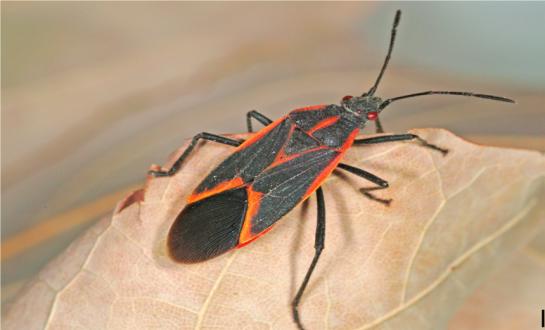
Boxelder bugs are a familiar nuisance for many homeowners, especially in regions where boxelder trees are common. These insects are notorious for their seasonal invasions, often appearing in large numbers during the fall and spring. Homeowners frequently notice that the same houses seem to attract boxelder bugs year after year, leading to frustration and confusion about why these pests keep coming back. Understanding the reasons behind their persistent return can help in developing effective strategies to minimize their presence and prevent future infestations. This article delves into the habits, preferences, and behaviors of boxelder bugs to explain why they are drawn to certain homes repeatedly.
What to expect from this article
The life cycle and habits of boxelder bugs
Boxelder bugs are primarily found in areas where boxelder, maple, and ash trees grow, as these trees provide both food and shelter. During the warmer months, these insects feed on seeds, leaves, and flowers, rarely causing significant damage to the trees themselves. As the weather cools in late summer and early fall, boxelder bugs begin searching for warm, sheltered places to overwinter. This is when they start to congregate on the sunny sides of buildings, particularly those with southern or western exposures. The warmth radiating from these surfaces attracts them, and they often find their way inside through small cracks, gaps, or openings around windows, doors, and siding. Once inside, they seek out quiet, undisturbed areas such as attics, wall voids, and basements, where they remain dormant until spring.
Why certain houses attract boxelder bugs
Some homes are more prone to boxelder bug invasions due to a combination of environmental and structural factors. Houses located near boxelder or maple trees are at higher risk, as these trees are the primary food source for the bugs. Additionally, homes with older construction or poorly sealed exteriors provide more entry points for the insects. Sunlight exposure also plays a significant role; boxelder bugs are drawn to the warmth of sunlit walls, especially those painted in lighter colors that retain heat. Over time, boxelder bugs leave behind pheromones that signal to others that a particular location is a safe overwintering site. This chemical trail can persist for years, causing new generations of bugs to return to the same house season after season. For those seeking boxelder bug control Salt Lake City, understanding these attractants is crucial for implementing effective prevention measures.
How boxelder bugs find their way inside
Boxelder bugs are adept at finding even the smallest openings in a home’s exterior. As temperatures drop, they become more active in their search for shelter, crawling along walls, windows, and doors to locate entry points. Common access areas include gaps around window frames, door thresholds, utility penetrations, and damaged siding. Once a few bugs successfully enter a home, they can release aggregation pheromones that attract even more bugs to the same spot. This behavior explains why infestations often seem to grow rapidly and why the same entry points are used year after year. Homeowners may notice clusters of boxelder bugs on the outside of their homes during sunny days in the fall, which is a clear sign that the insects are preparing to move indoors. Sealing cracks and repairing damaged areas can help reduce the number of bugs that gain entry, but complete exclusion can be challenging due to the bugs’ persistence and small size.
The role of pheromones in repeated infestations
Pheromones play a significant role in the recurring presence of boxelder bugs at the same locations. When boxelder bugs find a suitable overwintering site, they release aggregation pheromones that serve as a chemical signal to other bugs in the area. These pheromones can linger on surfaces for extended periods, effectively marking the house as a safe haven for future generations. As a result, even if the original bugs are removed or die off, new bugs are likely to follow the scent trail back to the same house in subsequent years. This chemical communication is a key reason why some homes experience chronic infestations despite repeated cleaning and pest control efforts. Addressing the underlying pheromone cues, in addition to physical exclusion, is essential for breaking the cycle of annual invasions.
Quick facts about boxelder bug behavior
Boxelder bugs are not known to bite or cause structural damage, but their presence can be a significant nuisance. They are attracted to warmth and light, which is why they often gather on sunny walls and windows. Their tendency to return to the same locations is driven by both environmental cues and chemical signals left by previous infestations.
Preventing boxelder bugs from returning
Preventing boxelder bugs from returning to the same house each year requires a combination of strategies. Physical exclusion is the first line of defense, involving the sealing of cracks, gaps, and other potential entry points around the home’s exterior. This includes repairing damaged screens, weatherstripping doors and windows, and caulking around utility penetrations. Removing boxelder and maple trees from the immediate vicinity of the house can also reduce the local population of bugs, though this may not be practical or desirable for all homeowners. Regular cleaning of exterior walls, especially in areas where bugs have congregated in the past, can help remove lingering pheromones and discourage future infestations. In some cases, targeted use of insecticides may be necessary, but these should be applied with caution and in accordance with local regulations. Consistent maintenance and vigilance are key to minimizing the likelihood of boxelder bugs returning year after year.
Conclusion
Boxelder bugs are persistent pests that often return to the same houses annually due to a combination of environmental preferences, structural vulnerabilities, and chemical cues left by previous infestations. Their attraction to warmth, proximity to host trees, and the presence of aggregation pheromones make certain homes particularly susceptible to repeated invasions. While these insects do not pose a direct threat to human health or property, their presence can be a significant annoyance for homeowners. By understanding the factors that draw boxelder bugs to specific locations and taking proactive steps to address them, it is possible to reduce the frequency and severity of infestations. Consistent prevention efforts and attention to home maintenance are essential for keeping these unwelcome visitors at bay.
