
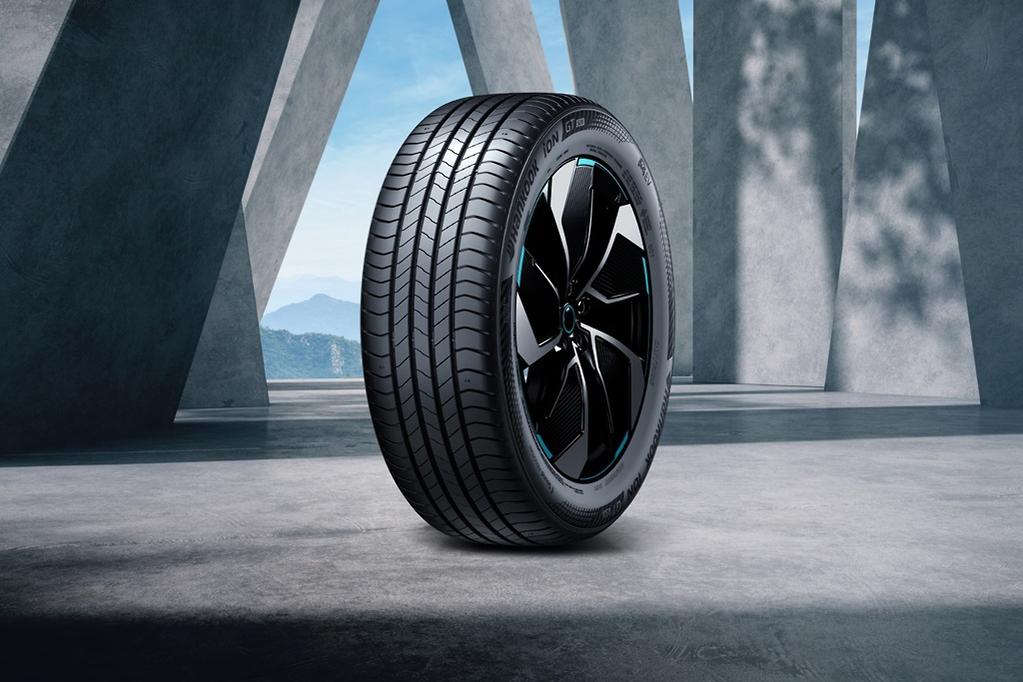
Keep the fitting receipt, tyre specifications, installation date and odometer reading, then add records of inspections, repairs and any rotation work. For EV vehicle tires (this is commonly referred to as ยาง รถไฟฟ้า EV in Thai), this history helps you remember what was fitted and when. The receipt tucked into your glovebox can become the starting point for a useful maintenance record, saving you from reconstructing months of ownership while standing at a workshop counter.
Give the Receipt a Proper Home
A tyre receipt often joins parking tickets and forgotten shopping lists. Rescue it before the print fades or the glovebox gets cleared out.
Photograph the complete document while it is readable, keeping the original somewhere dry. Save the image in a folder named for your car rather than leaving it among holiday photographs.
Check that the receipt identifies the dealer, purchase date, tyre model, size and quantity. If the description only says “four tyres”, ask for more detail. You want a record that remains understandable long after the fitting appointment.
Record the Starting Mileage
Write down the odometer reading on the day the tyres are installed. Pairing distance with a date gives you a clearer picture of how long the set has been in use.
Note which tyres were replaced and their positions. This becomes useful if you replace fewer than four, or your car has different specifications at the front and rear.
Include the work completed, such as balancing or alignment, and keep any accompanying report. A note now can answer an awkward question later: “Was that adjustment done with this set or the previous one?”
Add Events, Not Endless Numbers
Your record does not need to become a spreadsheet hobby. Update it when something happens.
Log a professional inspection, a puncture assessment, a repair or a tyre rotation where appropriate for your vehicle. Record the date, mileage and what the technician found or completed.
If tread measurements are provided, label them by wheel position. Separate measured findings from your own impressions, such as noticing a vibration on one journey.
Those impressions can help explain a concern, but they cannot diagnose it. A record supports a conversation with a qualified technician; it does not replace an inspection.
Keep Warranty Documents Together
Store warranty information beside the receipt, including any registration confirmation and the terms supplied when you bought the tyres.
If a problem develops, this folder makes it easier to provide purchase details and maintenance evidence. Check the applicable process with the dealer rather than assuming every type of damage is covered.
The same habit helps when changing workshops. You can show what has already been done instead of relying on memory or repeating uncertain explanations.
A Useful History for the Next Journey
When you sell your EV, an organised tyre record gives the next owner a clearer account of recent work. It can document dates and specifications without promising anything about the tyres’ current condition.
More immediately, it helps you manage your own car with less guesswork. One folder, a few dated entries and readable receipts are enough to begin.
Contact Landsail to explore its EV tyre range and find an affiliated dealer. After fitting, keep your itemised receipt and ask which warranty documents to retain, giving your new set a documented start.
