
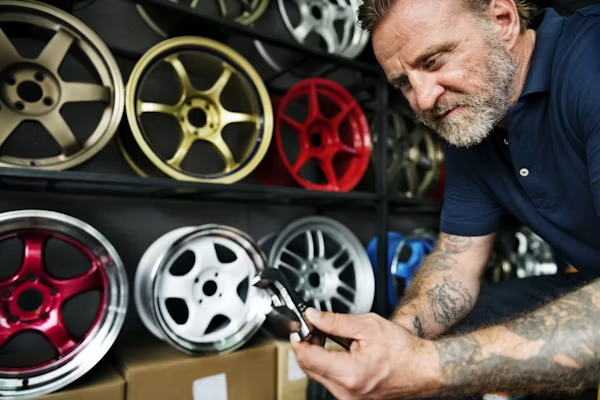
Nothing changes the personality of a car faster than a new set of wheels. A tired sedan suddenly looks planted and aggressive, a hatchback looks sportier, and even a basic trim starts turning heads at traffic lights. That is exactly why alloy wheels remain one of the most requested upgrades among car owners, and why the used market for them has grown so quickly. The catch is that a wheel swap looks simple from the outside but hides a surprising number of technical details that decide whether the upgrade ends in a smooth ride or an expensive mistake.
Why Buyers Keep Turning to the Used Market
New alloy wheel sets, especially OEM-branded ones, carry a price tag that puts many buyers off entirely. A used set from a donor vehicle, on the other hand, often costs a fraction of that price while offering the exact same strength and design the manufacturer originally engineered for that model. For enthusiasts chasing a factory look, a specific finish that is no longer sold new, or simply a better deal, buying pre-owned has become the practical route rather than a compromise.
This shift is not just about price either. Alloy wheels rarely wear out the way tires or brake pads do. A wheel removed from a low-mileage vehicle after an accident, a lease return, or a simple owner upgrade can still have years of structural life left in it, which makes the used segment genuinely appealing rather than a gamble by default.
What Actually Determines a Good Purchase
Size, Offset, and Bolt Pattern Come First
Before condition or looks even enter the conversation, the numbers have to match. Diameter and width are the obvious ones, but offset and bolt pattern are where most buyers get tripped up. A wheel that bolts on physically can still sit too far in or out, rubbing against suspension components or throwing off the car’s handling. Cross-referencing the exact specifications against the donor vehicle, rather than assuming “same brand, same era” is close enough, saves a lot of frustration later.
Inspecting for Structural Damage, Not Just Scratches
Cosmetic scuffs on a curb-rashed rim are cheap to refinish and rarely a dealbreaker. What matters far more is anything affecting the wheel’s structure: hairline cracks near the spokes, bent lips that no longer sit flat, or repair welds that were done poorly. These issues are not always visible in a quick photo, which is why a buyer should ask for close-up shots of the inner barrel and mounting surface, or better yet, have the wheel checked in person before it goes anywhere near a tire shop.
Matching Load Rating to the Vehicle
A wheel designed for a lighter hatchback should not automatically be assumed safe for a heavier SUV or a performance car carrying more weight through corners. Load index compatibility is one of those details that rarely gets mentioned in a casual listing but genuinely affects safety, particularly at speed or under heavy braking. According to consumer guidance from the National Highway Traffic Safety Administration, matching wheel and tire specifications correctly is one of the simplest ways drivers can reduce the risk of failure on the road, and that principle applies just as much to used wheels as it does to new tires.
Where to Actually Find Reliable Listings
The used parts market has moved well beyond local scrapyards and classified ads. Specialized online marketplaces now let buyers filter listings by exact make, model, and wheel specification, compare seller ratings, and see multiple angles of the actual part before committing. For anyone shopping around, browsing a dedicated selection of jantes alu occasion is often faster and more transparent than sifting through generic listings, since the parts are already organized by fitment rather than lumped together as generic “wheels for sale.”
The Ride Quality Connection Most Buyers Miss
New wheels rarely deliver their full potential if the rest of the suspension setup is tired or mismatched. A wheel upgrade often exposes weaknesses that were previously masked by softer factory wheels, particularly at the rear axle where load distribution changes noticeably. This is one of the reasons pairing a wheel upgrade with a broader look at suspension health tends to pay off, something covered in more depth in the discussion of the benefits of upgrading rear shock absorbers, which explains how stability and control shift once a car’s contact patch and unsprung weight change.
Buying Smart Beats Buying Fast
A good set of used alloy wheels can transform how a car looks and feels without draining a repair budget, but only when the fitment is verified, the structural condition is genuinely checked, and the load rating actually suits the vehicle. Rushing past those details to chase a good-looking listing is exactly how buyers end up with wheels that never quite sit right or, worse, fail when it matters most. Taking the extra half hour to confirm specifications and inspect condition properly is what separates a smart upgrade from a costly regret.
