
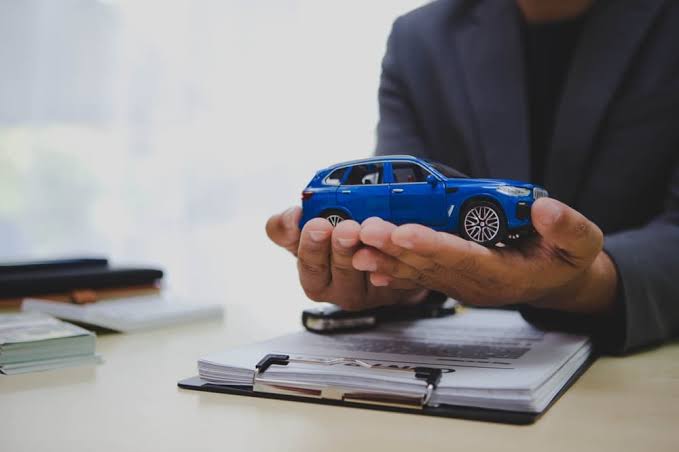
Texas has one of the biggest used car markets in the country. Dealer lots line the highways of every metro, private sellers post trucks on Marketplace daily, and there are bargains to be had. There are also flood cars, title problems, and deals that look great until the paperwork comes through.
Here is a practical checklist for buying a used car in Texas, from the first look to the day you drive it home insured.
Before you see the car
Run the VIN
Ask the seller for the vehicle identification number before you meet. A vehicle history report will show reported accidents, title brands, odometer readings, and ownership history. It is not perfect, because not every accident gets reported, but it can rule out obvious problems.
Watch for flood damage
After hurricanes and major floods along the Gulf Coast, damaged cars sometimes get cleaned up and resold. Some carry a “flood” or “salvage” brand on the title. Others slip through. Warning signs include:
- A musty smell or heavy air freshener
- Rust in unusual spots, like seat rails or under the dash
- Silt or water lines under carpets or in the trunk
- Electrical problems that come and go
Checking the title
The title tells you who legally owns the car and whether it has a branded history.
- Make sure the seller’s name matches the title. If it does not, ask why. Buying from someone who is not the titled owner, sometimes called title jumping, can leave you unable to register the car.
- Look for liens. If a bank still has a loan on the car, the lien needs to be released before ownership can transfer cleanly.
- Check for brands like salvage, rebuilt, or flood.
The Texas Department of Motor Vehicles has a title check tool and explains the paperwork needed for a private sale, including the signed title and the application for title transfer.
Inspecting the car itself
Even if the history looks clean, get the car looked at.
- Take a proper test drive, including highway speeds and some braking.
- Check all the electronics, from windows to the infotainment screen.
- Look at tire wear. Uneven wear can point to alignment or suspension problems.
- Pay for a pre-purchase inspection from an independent mechanic. A hundred dollars or so can save you thousands.
Doing the paperwork
For private sales in Texas, the buyer generally needs to file a title application with the county tax assessor-collector within 30 days of the sale. You will pay sales tax based on the purchase price or the vehicle’s standard presumptive value, whichever is higher.
Keep a signed bill of sale with the date, price, and both parties’ information. It protects both of you.
Insurance: sort it before you drive away
This is the step people forget, and it matters. Texas requires every driver to carry at least 30/60/25 liability coverage: $30,000 per injured person, $60,000 per accident for injuries, and $25,000 for property damage. You need proof of insurance to register the car and, legally, to drive it home.
Get quotes before you buy, not after. Insurance costs vary by model, so a sporty coupe or a pickup that is often stolen may cost more to insure than you expect. Knowing the premium in advance can change which car makes sense for your budget.
If you are looking for the cheapest insurance in Texas for a used car, a few approaches help:
- Compare at least three quotes with identical coverage limits.
- Decide whether you need full coverage. If you financed the car, the lender will require collision and comprehensive. If you paid cash for an older car, liability alone might be reasonable.
- Ask about discounts for a clean record, a defensive driving course, or bundling with renters or homeowners insurance.
- Choose a deductible you can actually pay if something happens.
Dealer vs private seller
Dealers handle the title and registration paperwork for you, which removes a lot of risk, and many offer limited warranties. Private sellers are often cheaper but leave the paperwork and checking to you. Neither is better by default. It depends on how comfortable you are verifying the details yourself.
Quick checklist
- VIN checked and history report reviewed
- No signs of flood damage
- Seller’s name matches the title, no open liens
- Independent mechanic inspection done
- Bill of sale signed
- Insurance in place before you drive away
- Title application filed within 30 days
A good used car in Texas can save you a lot of money. A bad one can cost you even more. Take your time, check the title and the car carefully, and get your insurance lined up before you hand over the cash. The extra hour of homework is the best deal you will make.
