
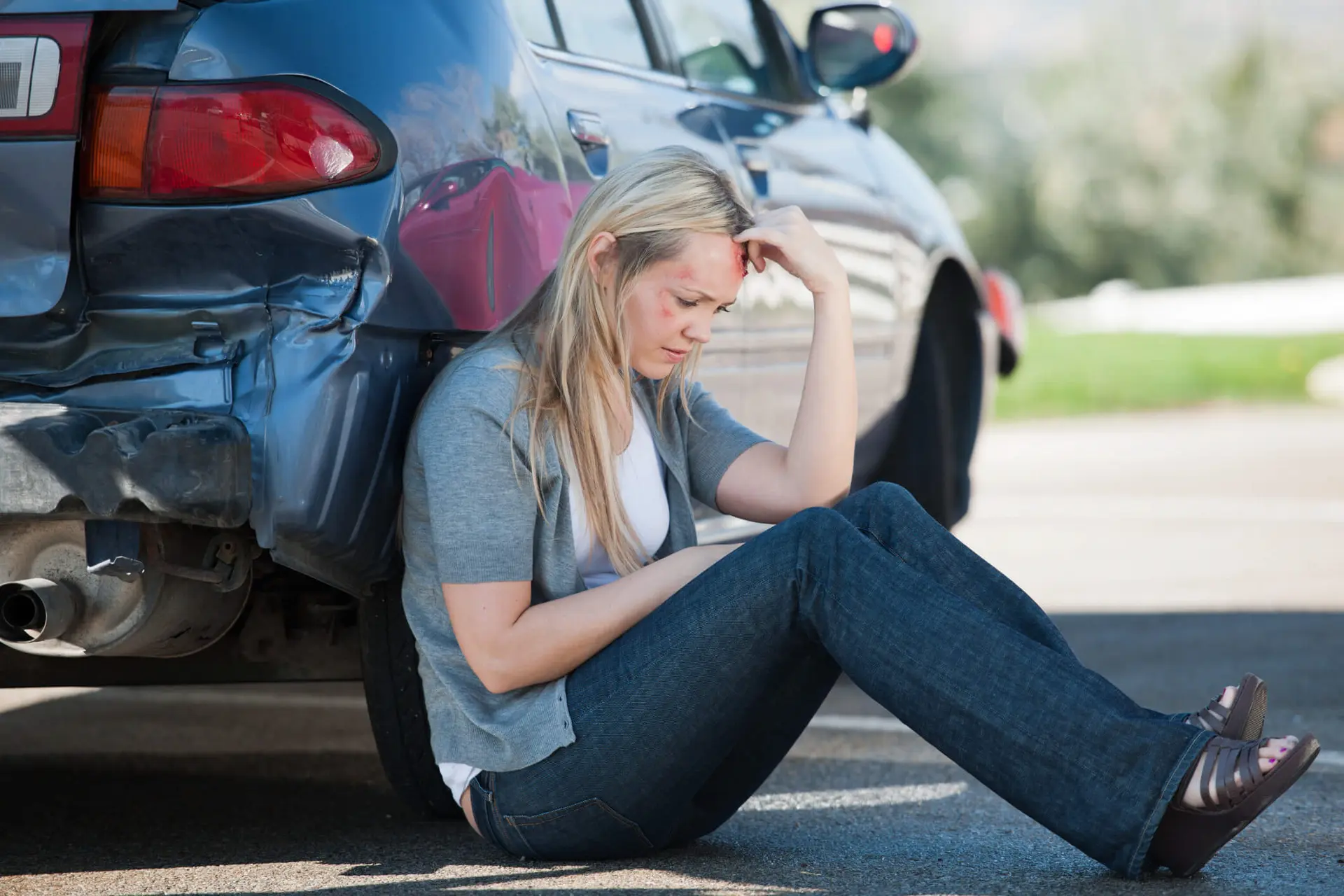
A road accident, even the slightest of crashes, can leave you in shock and confusion, to say the least. So, you are driving normally like any other day, and then suddenly you are standing on the roadside with a hundred questions in your mind that you did not think you would ever need to ask yourself.
“Whose fault was this?”
“Did I miss something?”
“Will insurance cover it?”
“Do I need expert help?”
The final question is the one that most people are shy to answer. You may think that expert crash analysis is only importantfor a big court case or massive crashes on the highway. But the reality is different. You do not needto be in the headlines to gain the benefits of expert analysis. Even ordinary drivers may get into a situation where professional knowledge is the only thing that makes the situation clear.
This guide is a step-by-step breakdown of when you should call in a legal expert witness to analyze a crash.
When the story and the evidence do not align
Among the many situations that require expert analysis is a straightforward one: the narratives are not aligned.
- Maybe the other motorist says that you were speeding, yet you were not.
- Maybe they claim the right of way, but the crossing arrangement tells the contrary.
- Maybe witnesses are recollecting various versions of the same moment.
Special accident investigators intervene to provide scientific facts. They look into the details that people tend to ignore:
- Braking patterns and skid marks
- Vehicle damage angles
- Sight lines and visibility
- Conditions of roads during the impact
- Traffic signals and signs
- Vehicle behavior prior to the collision.
They turn thestory into a logical picture.
When liability is disputed
Questionable liability is a sure headache. Perhaps the other motorist does not want to be wrong. Perhaps the insurance firms are resisting. Perhaps it was a series of cars, and the responsibility is disputed.
Expert analysis is useful in cases like:
- Back-up car crashes where both parties have braking problems.
- Intersection crashes in which signals, turn lines, or stop rules matter.
- Unclear right-of-way side-impact.
- Over-taking/lane changing crashes.
- Scenarios in which both drivers claim that the other one appeared out of thin air.
Professionals are taught to reverse-engineer the crash through physics, patterns of damage, and road design. They are able to recreate the course of events and determine who bears more responsibility.
In case of serious injury
When an individual is hurt, things may turn out of control rather quickly. Attorneys, insurers, and even police departments seek answers.
Professional accident analysis is of paramount importance when:
- The wounded individual does not remember the whole incident.
- The injury is caused by the nature of the road or the vehicle motion.
- It is in dispute whether the harm was caused by behavior or environment.
- Vulnerable road users like pedestrians are involved in the crash.
In this case, the expert’s role is to identify the causes of the injury. It could be:
- Speed of the impact
- Angle
- Timing
- Blind spots
- Lighting, etc.
Every aspecthelps them determine whether the crash could have been avoided. Sometimes, the driver is affected by factors beyond their control.
When a crash involves cyclists or pedestrians
Incidents involving vulnerable road users are not always straightforward. These people are more vulnerable and do not interact with road design in the same way as motorists.
You might require an expert analysis when:
- A pedestrian came out in a low-visibility area.
- A bicycle rider was hit when using a shoulder or bike lane.
- Design of the road may have been a factor. Maybe sharp edges, lack of signs, or unsafe crossing.
- It is not clear who was in the right-of-way.
Professionals consider aspects that you may not consider, such as:
- Pedestrian desire routes
- Cyclist speed patterns
- Crossing distances
- Whether there is a safe infrastructure design in the roadway.
To the motorists, this analysis can be used to ensure that you are not held responsible for the fault that is not within your control.
When road design or the environment plays a role
The accident is not always the driver to blame. At times, the road is the issue as well.
Expert analysis may be required when:
- There was a lack of signage or obliteration.
- Visibility was constrained by a curve or slope.
- The road conditions were in poor condition (potholes, uneven surfaces, slippery conditions).
- Lane markings were faded
- Traffic lights failed.
- Lighting was insufficient
It is important to establish the role of road design in causing the crash, and this can be done professionally by the experts.This is very useful in situations involving councils, contractors, or even property owners.
When the vehicles tell a different story
Cars do not lie. Dents, scrape marks, and the depth of the damage tell the truth. But it takes experience to interpret that truth.
You may require professional analysis in case:
- Damage does not align with the other driver’s version of the truth.
- Angles of impact indicate otherwise.
- Airbag deployment signifies the possibility of unanticipated forces.
- Speed does not match the alleged braking distance.
The technical meaning of patterns of damage can entirely alter the understanding of a crash.
When insurance pushes back
The most stressful aspect of any collision is insurance disputes.This is where professional accident analysis comes in to defend you:
- The insurer accuses you of having been partly at fault.
- The compensation package is not equal to the extent of the accident.
- Their excuse is a lack of evidence.
- They operate using generic models that are not a reflection of the actual situation.
Even insurers will find evidence in an expert report more difficult to reject.
When the crash feels off, but you can’t tell why
Finally, there are those instances when you feel in your gut that the official explanation does not make sense. Perhaps there was something wrong with the reaction of the other driver. Maybe the damage does not match the narrative. Perhaps the setting posed a danger that nobody was taking note of.
When anything does not augur well, then professional analysis can confirm your instincts or comfort you that it was as easy as it appeared.Both consequences come with peace of mind.
