
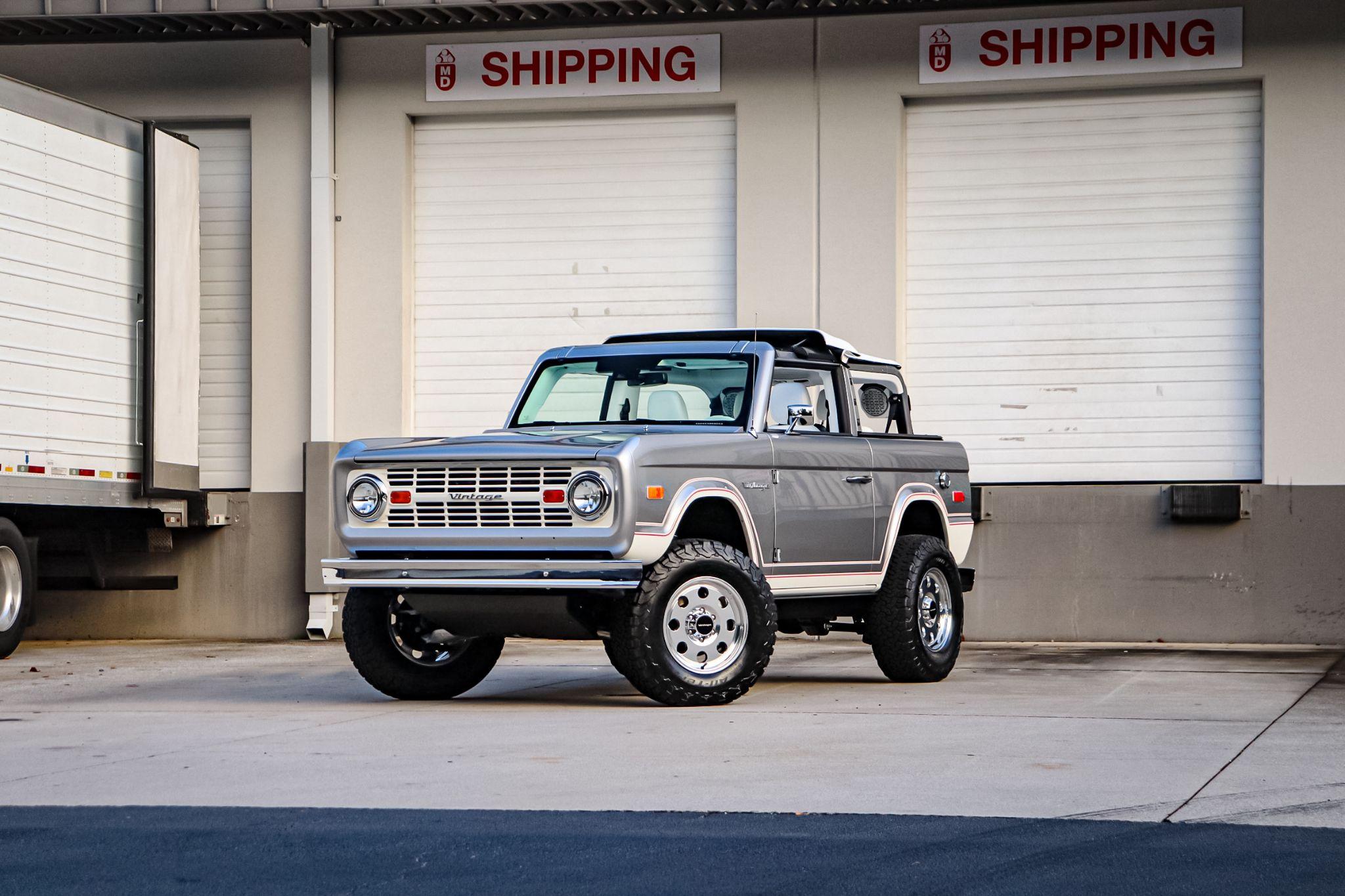
Across the automotive world, something interesting is happening. While new cars are packed with digital interfaces and advanced driver assistance features, a growing number of enthusiasts are going in the opposite direction. They are searching for vehicles that feel mechanical, connected, and personal. They want the traditional driver’s car again, the kind that communicates through the steering wheel rather than a digital display.
This resurgence is about rediscovering what many drivers feel has been getting lost. Modern classic builds are helping bring that experience back.
Why the driver’s car is returning
Modern vehicles deliver impressive efficiency and safety, but many drivers say they miss the feeling of being engaged. Enthusiasts value “driver involvement” as a top priority when choosing a performance or hobby vehicle. That preference shows in the growing attention around classic coupes, roadsters and vintage SUVs.
Classic platforms give drivers a type of feedback that is hard to replicate. You hear the engine’s rhythm. You sense the weight of the steering. You feel the road surface instead of watching the software process it. These characteristics remind the industry that engagement itself has value.
Heritage design is influencing modern engineering
Classic vehicles earned their reputation with clear lines, simple ergonomics and purposeful proportions. Today’s designers are noticing that this aesthetic still resonates with buyers. Several recent concept vehicles from major manufacturers have borrowed cues from classic off-roaders and sports cars to signal toughness, clarity and timeless appeal.
According to J.D. Power’s 2024 U.S. Tech Experience Index, many owners say that new in-car technology is often complicated, unreliable, or poorly implemented. Classic-inspired interiors and simpler layouts offer an attractive contrast.
This shift shows that heritage design is not just nostalgia. It is a blueprint for usability.
The role of the classic car customizer
Part of the revival is driven by the creativity of the classic car customizer community. Builders, fabricators and specialists have become essential to keeping vintage platforms alive. They provide the craftsmanship that allows older vehicles to remain usable and safe on today’s roads.
According to SEMA, the automotive specialty-equipment industry in the United States surpassed 51.8 billion dollars in 2022, fueled largely by consumers who want performance upgrades, personalization, and heritage-inspired styling.
This culture of customization has shaped the broader automotive world. It encourages innovation and gives drivers the chance to connect more deeply with their vehicles.
Modern Classic builders push the idea forward
Traditional classics deliver charm, but they also come with limitations that many enthusiasts no longer want to manage. Modern Classic builders address this by creating vehicles that carry familiar design cues while being engineered from the start for today’s roads.
These platforms often include:
- contemporary safety structures
- predictable suspension and braking systems
- emissions-compliant engines or modern drivetrain layouts
- refined ergonomics and modern comfort features
The goal is not to recreate the past. It is to carry the best of it into the present.
Drivers get the emotional appeal of a classic without dealing with the unpredictable behavior of aging mechanical systems. For many enthusiasts, this balance is what makes the modern classic concept so compelling.
Why heritage still has horsepower
Heritage vehicles and modern classic builds continue to attract drivers because they offer three things many new cars struggle to deliver.
1. Feel
The experience is more tactile and more involving.
2. Simplicity
Clean design and intuitive controls reduce distractions.
3. Identity
A classic-inspired vehicle stands out in a world of similarly looking crossovers.
These qualities explain why the demand for classic style and analog driving feel is rising even as the industry moves deeper into automation.
What this means for the future of driving
The return of the driver’s car is not a rejection of modern technology. It is a reminder that technology should support the driving experience, not replace it. The continued interest in classic-inspired vehicles shows that the emotional side of driving will remain important as mobility evolves.
Modern Classics provide one path forward. They prove that safety, reliability and engagement can coexist. They keep the past relevant while meeting contemporary expectations.
For many enthusiasts, heritage still has horsepower, and the future of driving is strongest when it remembers where it came from.
